YACHT CHARTER ITINERARY
Sail to Southern Dalmatia
Historic islands, protected waters, and anchorages shaped by centuries of seafaring.
About This Itinerary
5 Days in Southern Dalmatia
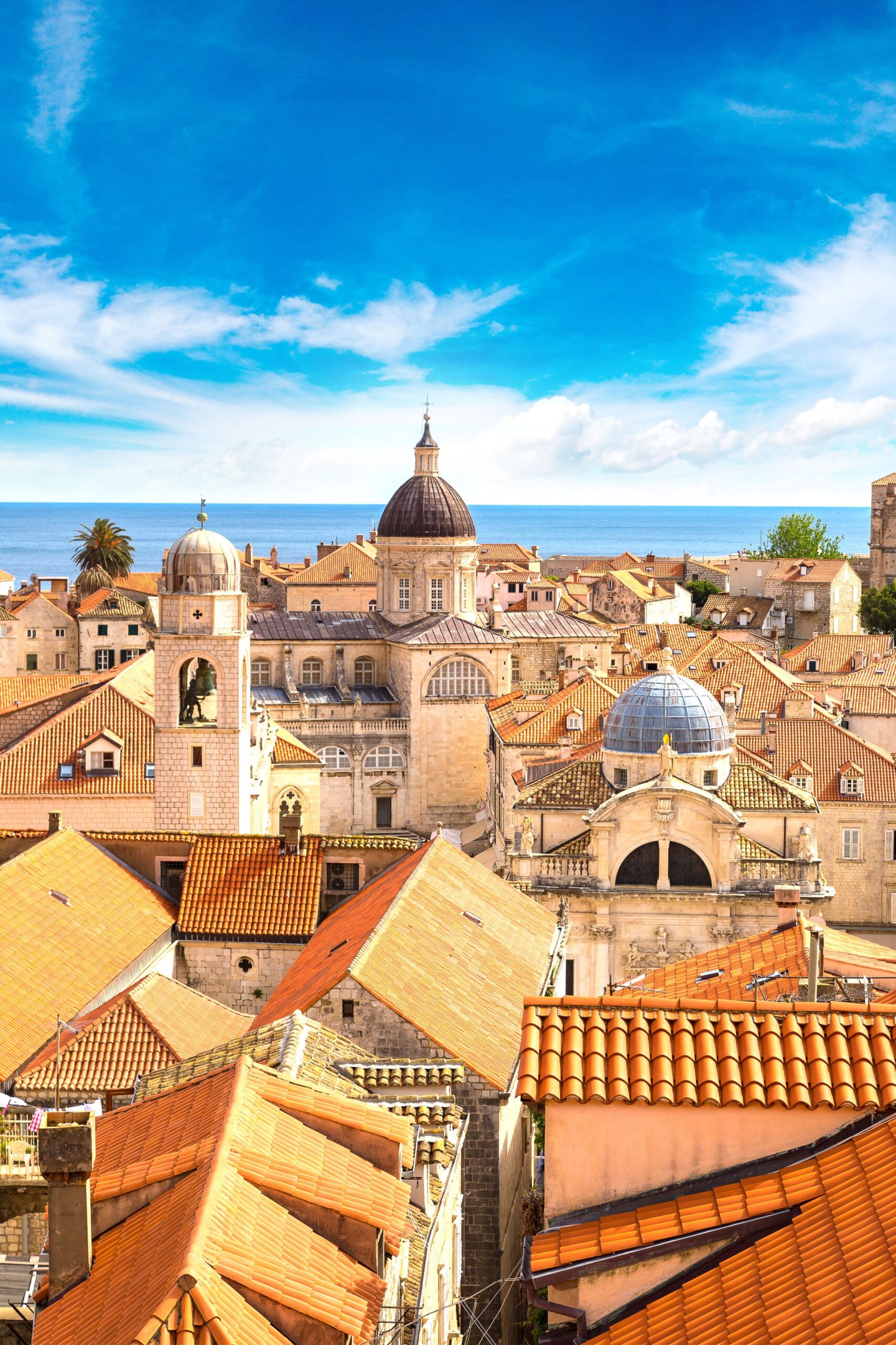
Southern Dalmatia is defined by reliability. The islands are closely spaced, navigation is protected by land on nearly all sides, and conditions are generally predictable. This consistency allowed maritime trade to flourish here for centuries, and it continues to make the region particularly well suited to unhurried yacht itineraries. The route stays south, where islands remain greener, and towns feel more lived-in than performative. Each anchorage has a clear purpose, and daily distances are short enough to preserve time for swimming, walking ashore, and quiet evenings on board.
Itinerary Summary
Dubrovnik to Scedro
-
Day 1: Dubrovnik to Šipan
→
-
Day 2: Šipan to Mljet
→
-
Day 3: Mljet to Korčula
→
-
Day 4: Korčula to Vis
→
-
Day 5: Vis to Šćedro
Day 1 - Dubrovnik to Šipan
12 NM
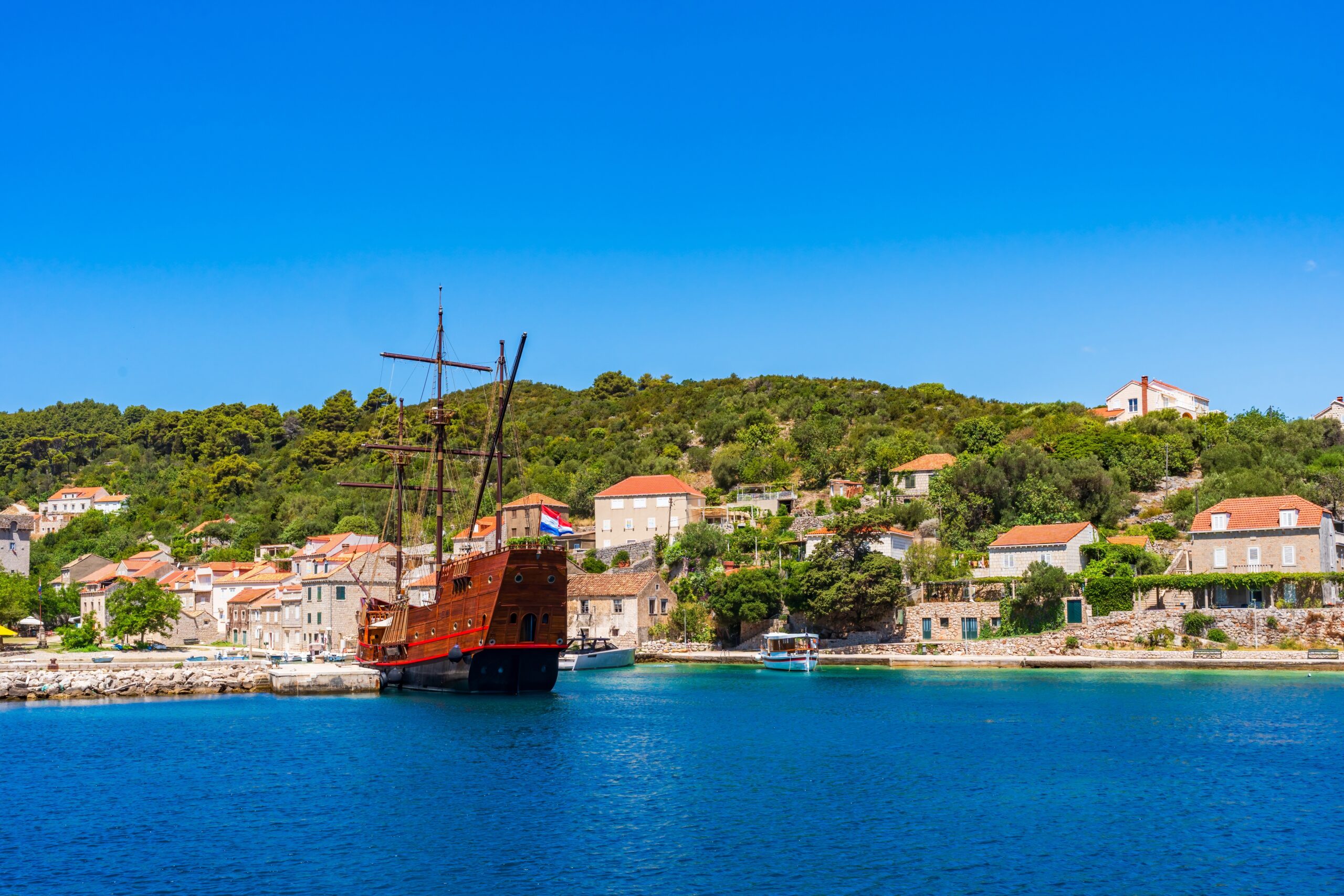
Depart Dubrovnik and immediately leave scale behind. Šipan is the largest of the Elaphiti Islands, yet it feels restrained and rural, shaped more by olive groves and stone houses than by tourism. Historically, the island served as a summer retreat for Dubrovnik’s noble families, who built modest estates here to escape the city’s density.
The island holds a local record for the highest number of olive trees per square kilometre, a detail that explains both the scent in the air and the quiet, agricultural rhythm. Anchor in a sheltered bay where the hills block wind and noise alike.
The afternoon is best spent swimming and settling in. This first day is designed to feel gentle — a transition rather than a destination — allowing the pace of the coast to establish itself naturally.
Day 2 - Šipan to Mljet
25 NM
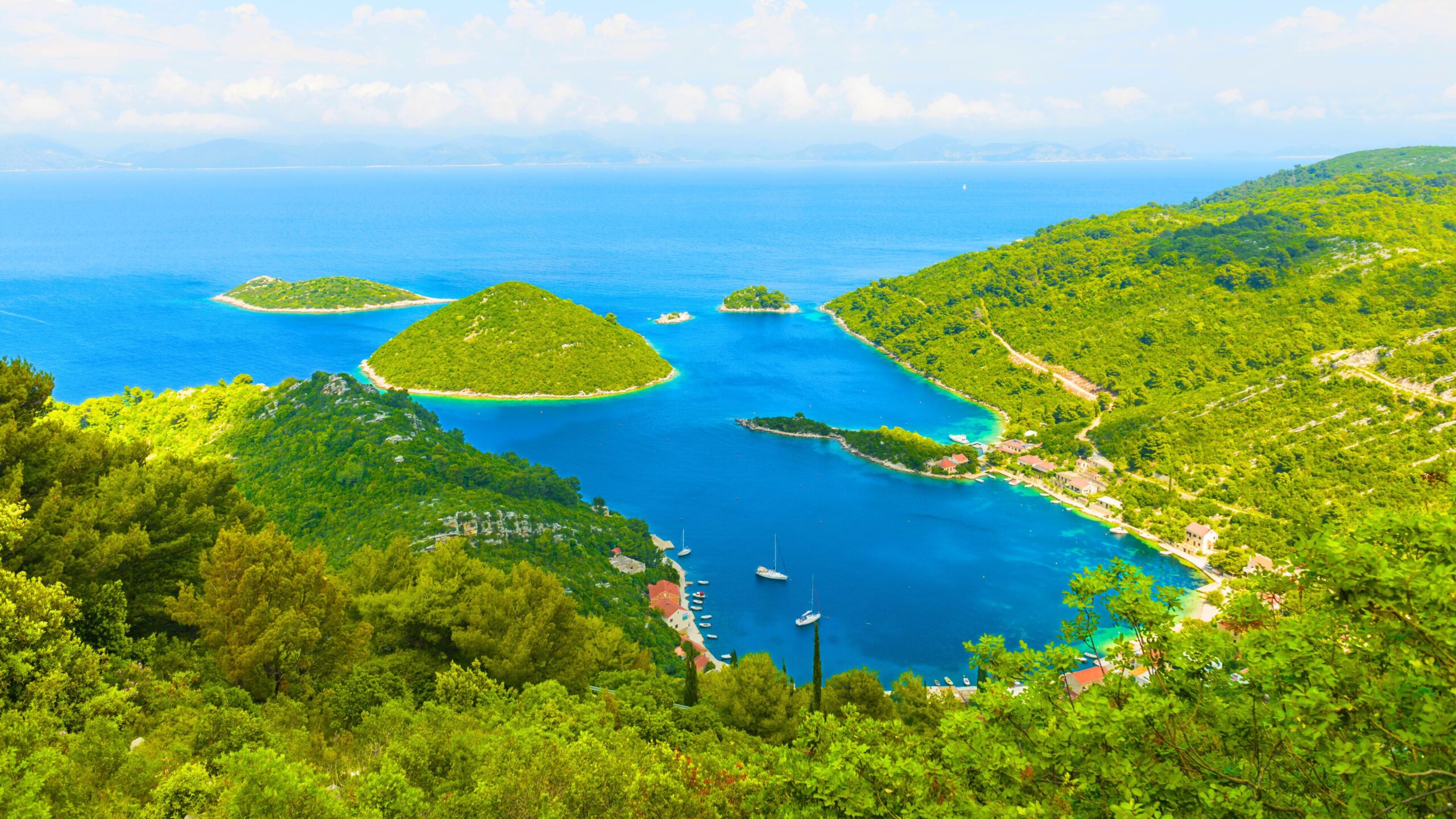
Cruise south toward Mljet, one of Croatia’s most forested islands and a designated national park. Legend claims Odysseus was shipwrecked here and detained by the nymph Calypso, a story that feels plausible once you see how enclosed and self-contained the island feels.
Mljet’s defining feature is its pair of saltwater lakes, connected to the sea by a narrow channel. Their calm surface and warmer temperature make swimming here distinctly different from open-water anchorages. Anchor nearby and move ashore if conditions allow.
The island’s protection has limited development, preserving a sense of stillness that locals value deeply. Even in summer, evenings remain quiet, with little artificial light. Mljet rewards simplicity — slow movement, minimal plans, and time spent outdoors.
Day 3 - Mljet to Korčula
20 NM
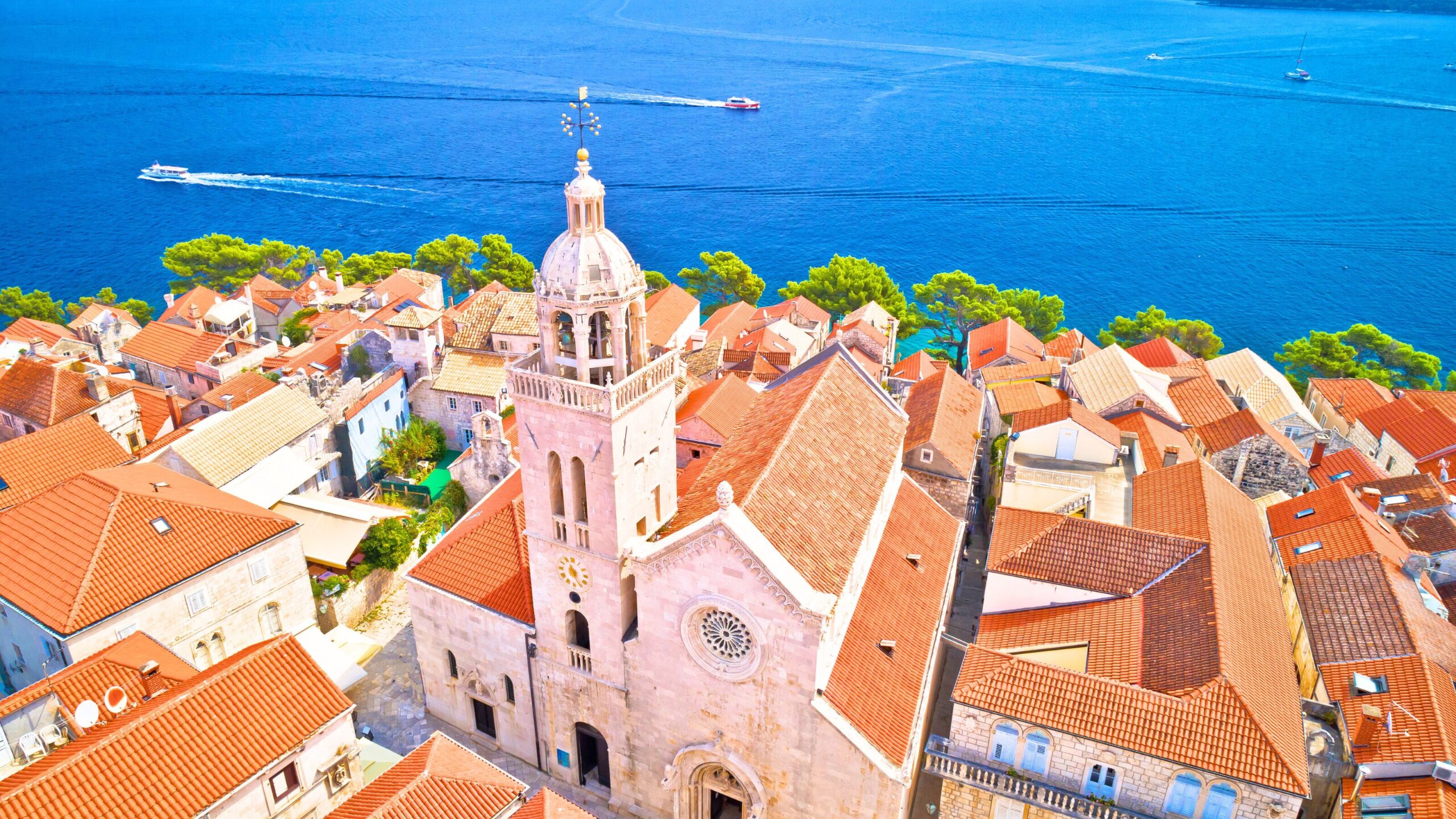
Korčula rises from the water with confidence. Often associated with Marco Polo — whose family is said to have originated here — the town was built with defence in mind. Its streets follow a herringbone pattern designed to channel wind through the town while shielding it from harsh weather.
Approaching by sea reveals thick stone walls and a compact harbour that has served sailors for centuries. Anchor nearby or berth close to town, depending on preference.
Korčula feels grounded and lived-in. Vineyards and olive groves surround the town, and the island is known locally for its white wine, Grk, grown in sandy soil near the coast.
Evenings here stretch naturally. Stone absorbs heat during the day, releasing it slowly after sunset, giving the town its warm, lingering atmosphere.
Day 4 - Korčula to Vis
30 NM
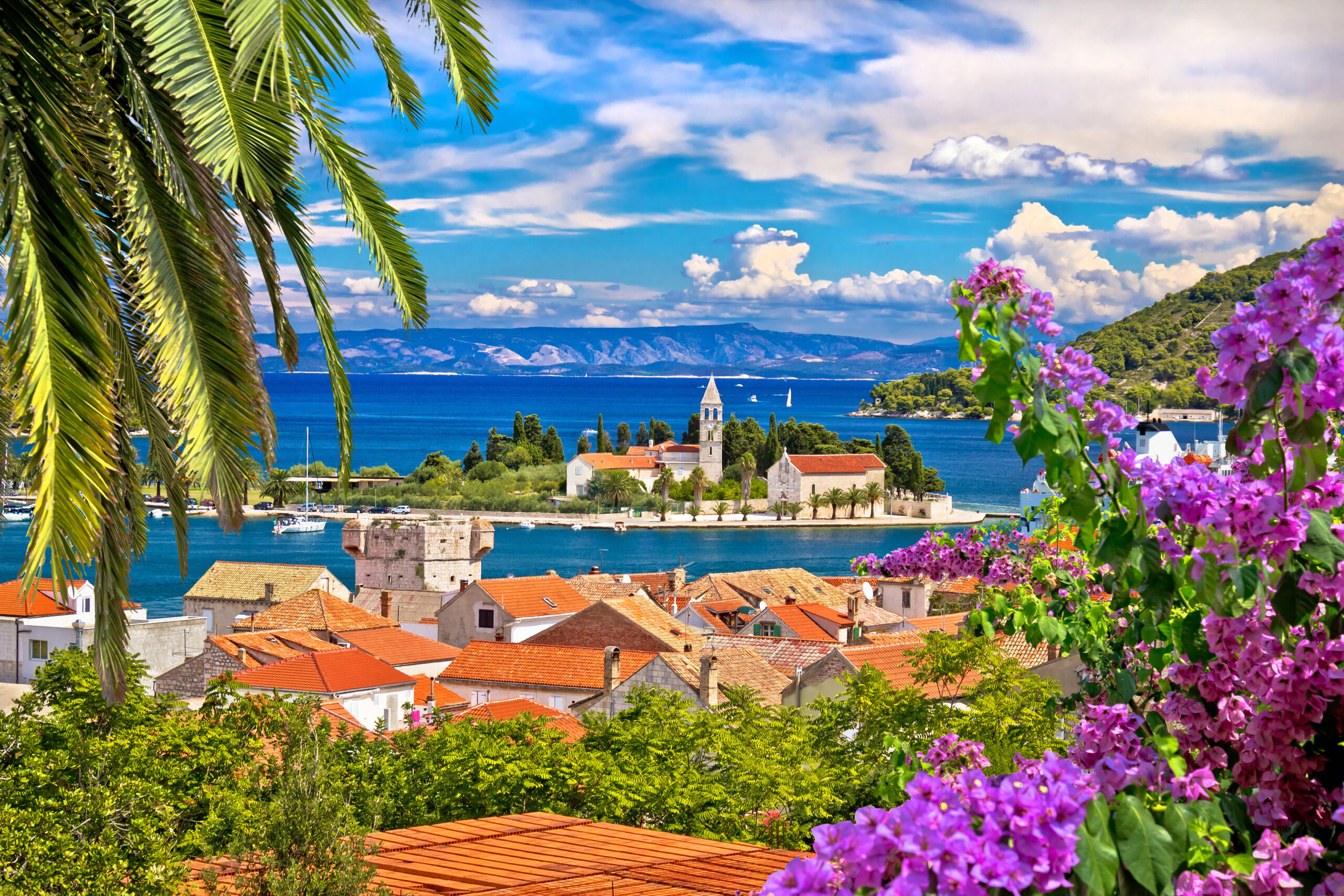
Today introduces a sense of openness. Vis sits farther offshore than most Dalmatian islands and was closed to foreign visitors for decades due to its strategic military importance during the Yugoslav era. That isolation preserved both its coastline and its underwater clarity.
The island’s geology is volcanic, contributing to deeper water close to shore and excellent visibility for swimming. Anchor in one of Vis’s western bays, where cliffs and coves create natural shelter.
Day 5 - Vis to Šćedro
20 NM
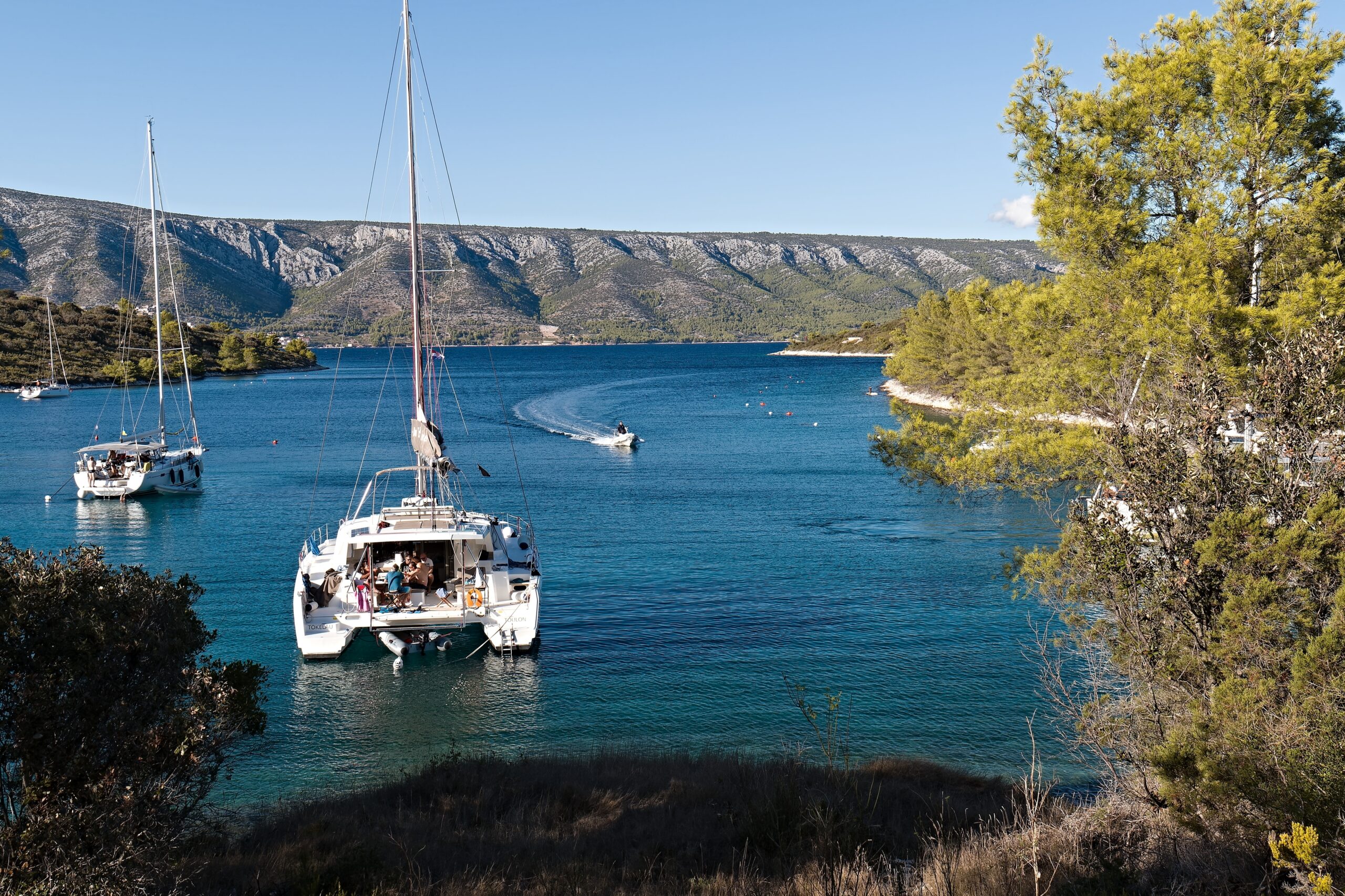
Šćedro is small, protected, and understated — one of the most balanced anchorages in southern Dalmatia. The island sits between Vis and Hvar, historically used as a safe harbour for ships waiting out the weather or nightfall.
Its deeply indented bays offer excellent holding and protection from prevailing winds. There is little permanent population, and the island feels intentionally left behind by modern development.
Anchor early, then enjoy swimming, and let the afternoon unfold without structure.
Remain overnight if conditions allow.
Ready to Embark on Your Next Adventure?
Contact UsContact Us
Get in touch for more information.