YACHT CHARTER ITINERARY
Sail to Amalfi Coast & Pontine Islands
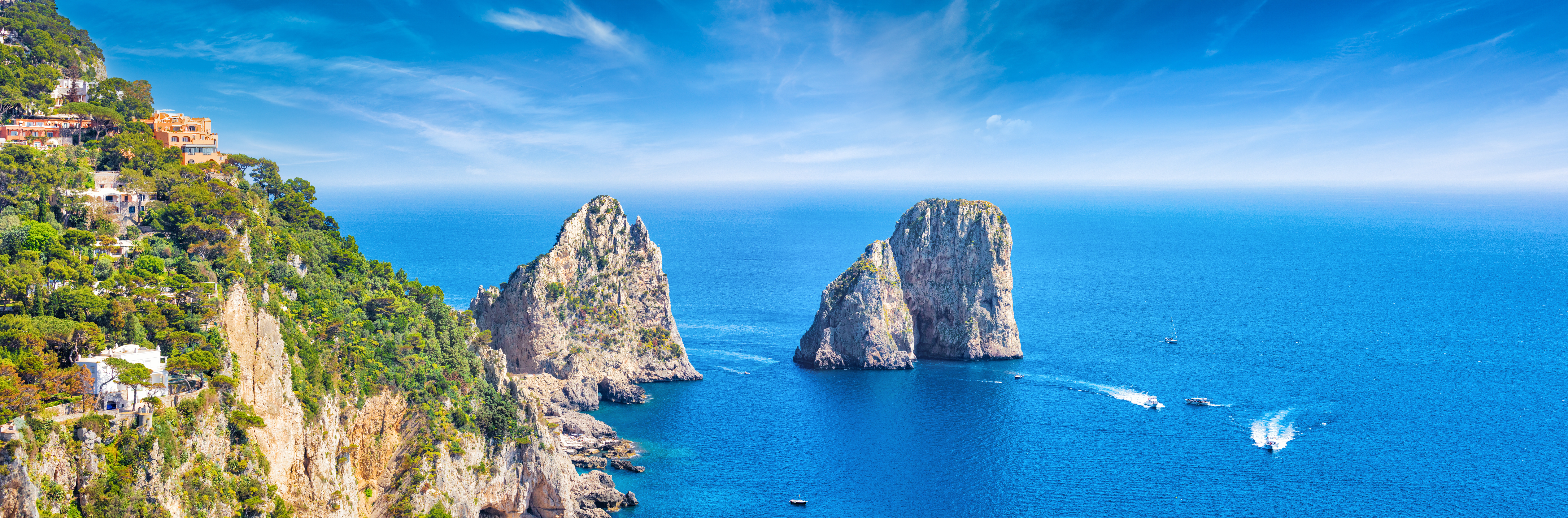
A passage from vertical coastline to open water, where Italy’s most dramatic shore gives way to islands shaped by wind, stone, and time.
About This Itinerary
6 Days in the Amalfi Coast & Pontine Islands
This itinerary is designed around contrast and restraint. The Amalfi Coast delivers immediate visual intensity — towns built into cliffs, terraces stacked above the water, centuries of maritime history compressed into a narrow stretch of coast. From there, the route moves west into the Pontine Islands, a volcanic archipelago that feels notably quieter and less orchestrated. Daily distances are kept moderate, allowing time for early arrivals, swimming in clear water, and evenings that feel unhurried. The sequence matters: the drama comes first, the calm follows.
Itinerary Summary
Naples to Naples
-
Day 1: Naples to Positano
→
-
Day 2: Positano to Capri
→
-
Day 3: Capri to Ischia
→
-
Day 4: Ischia to Ponza
→
-
Day 5: Ponza to Palmarola
→
-
Day 6: Palmarola to Naples or Procida
Day 1 - Naples to Positano
13 NM
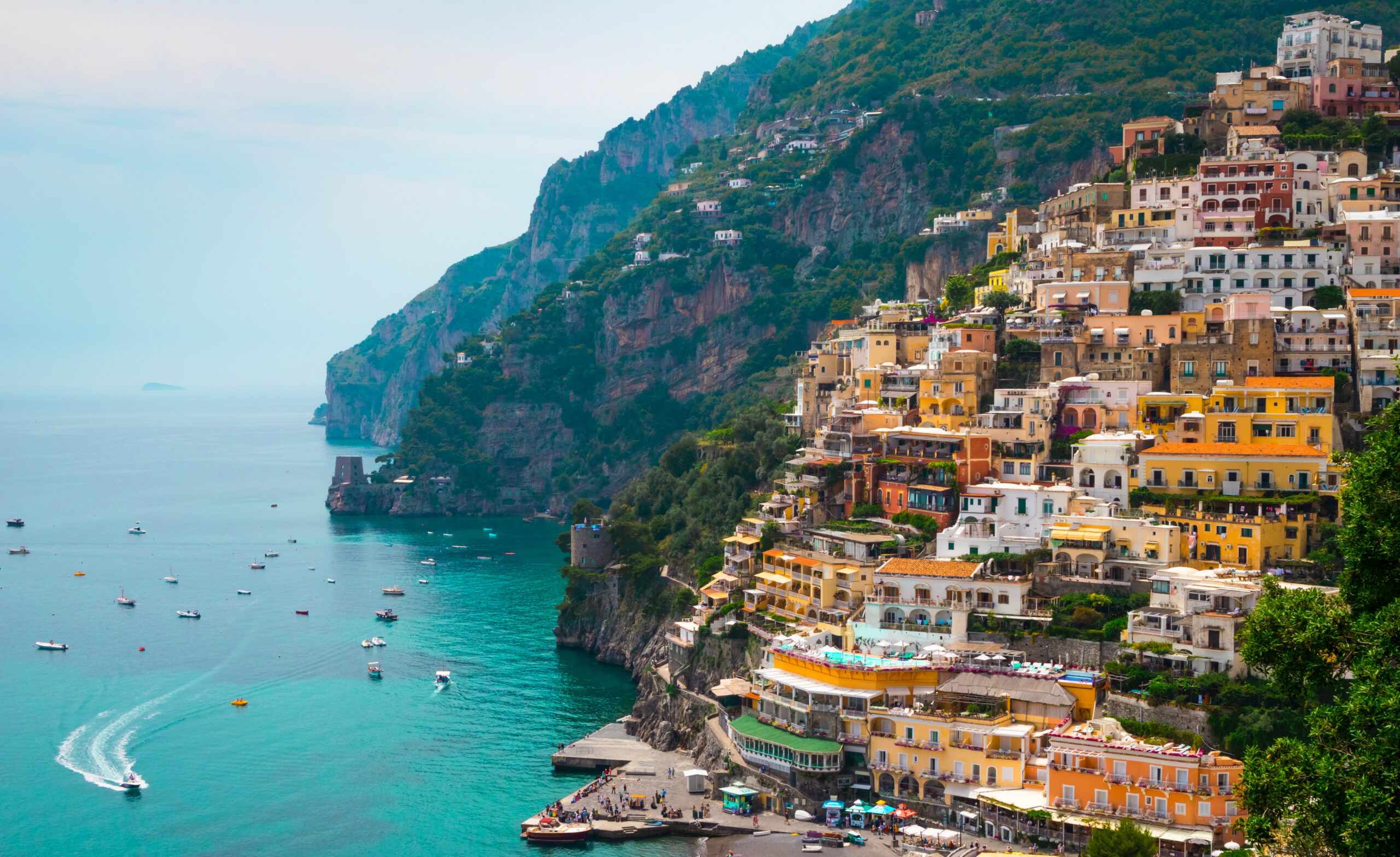
Begin with a short coastal run and let the day feel like an arrival rather than a transfer. Approaching Positano by sea explains the town immediately: it was never meant to be entered from above. The houses cascade toward the water because the sea was once the primary access point, long before roads reached this part of the coast.
Positano developed as a maritime outpost during the Middle Ages, trading with the eastern Mediterranean. That legacy is subtle now, but still visible in the town’s layered layout and its deep relationship with the water. Anchor off the main beach or nearby for a first swim beneath steep limestone cliffs that drop straight into the Tyrrhenian Sea.
The afternoon is best kept simple. A tender ride ashore for a walk through the narrow lanes gives context, but there’s no need to over-plan. Dinner aboard allows the town to recede into the background as the lights come on and the coastline softens.
Day 2 - Positano to Capri
15 NM
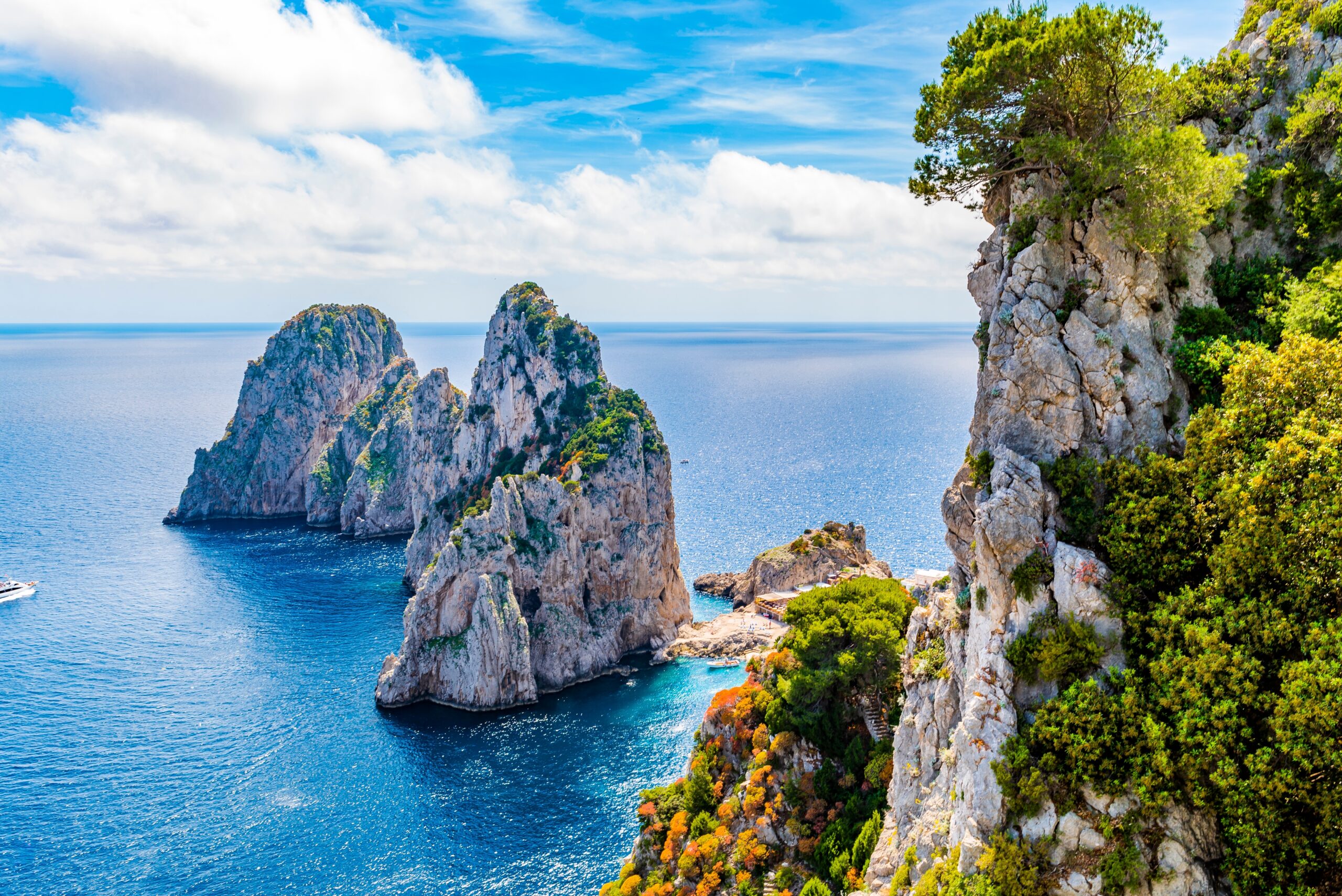
Cruise west toward Capri, aiming to arrive early. Timing matters here: Capri’s geography funnels boats toward a limited number of anchorages, and early hours preserve the island’s more refined side.
Capri is formed from limestone, not volcanic rock, which explains both its pale cliffs and the clarity of the surrounding water. The island has been a retreat since Roman times — Emperor Tiberius ruled from here during the final years of his reign, choosing isolation over Rome. Remains of his villas still sit above the sea, positioned to command wide views of the Bay of Naples.
Weather and traffic permitting, a slow circumnavigation reveals sea caves carved by millennia of wave action. The Grotta Verde and Grotta Bianca offer a quieter alternative to the Blue Grotto, and are often preferred by locals for swimming.
By late afternoon, move to a calmer anchorage or marina for the night. Capri rewards early exploration and quiet evenings more than extended daytime activity.
Day 3 - Capri to Ischia
20 NM
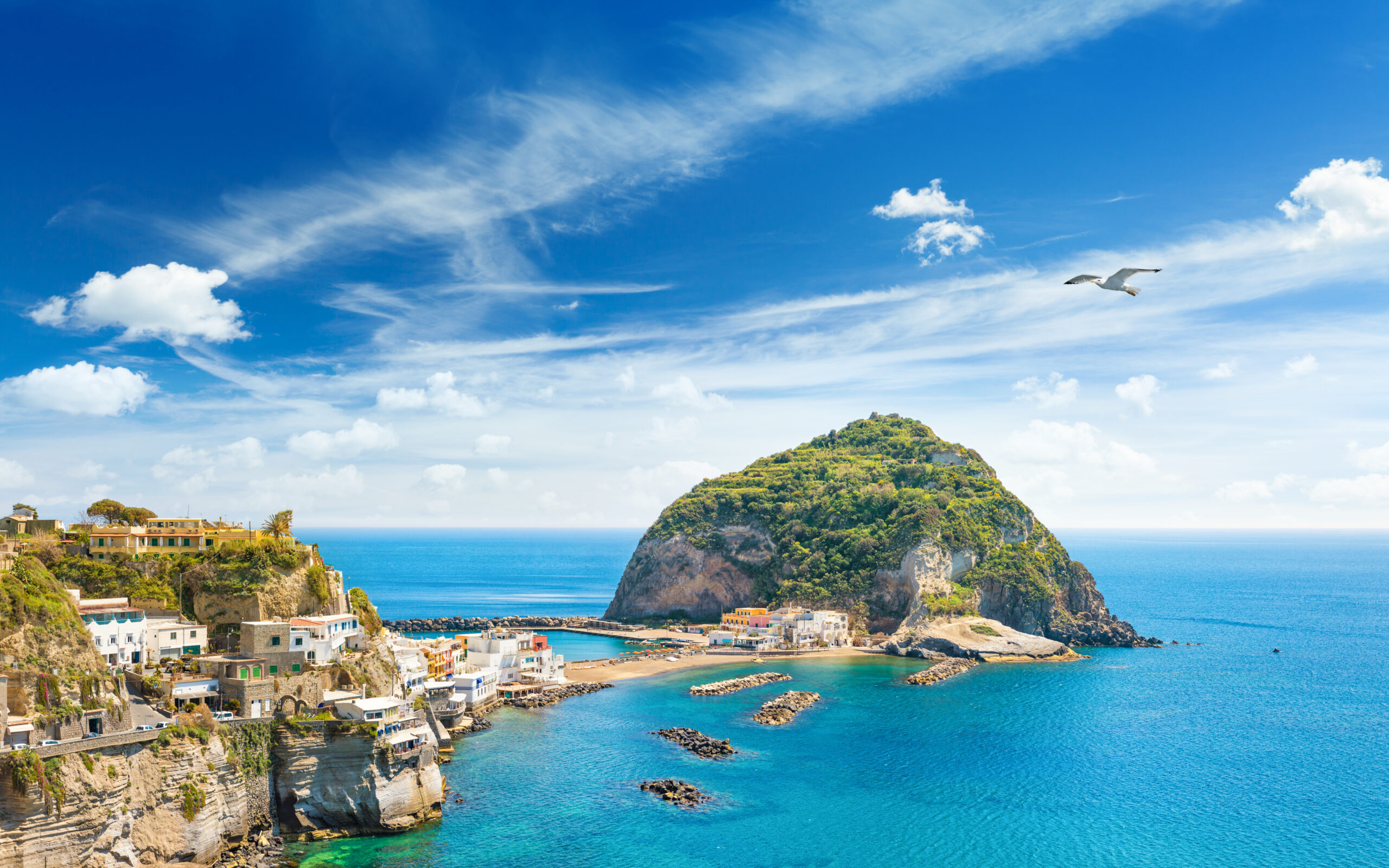
Leaving Capri, the tone begins to shift. Ischia is greener, broader, and more agricultural — shaped by volcanic activity that still defines daily life here.
The island sits on a dormant volcanic complex, and its geothermal energy feeds natural hot springs, thermal parks, and warm seabeds. Locals have used these waters since ancient Greek settlement, long before spa culture formalized the experience.
Anchor near Sant’Angelo or along the southern coast, where the water is often calmer and the surroundings feel more village-like. A swim here feels different: warmer, mineral-rich, and subtly buoyant.
Ischia is also known for its gardens and vineyards, which thrive in volcanic soil. Even without going ashore, the island’s scale and softness are felt from the deck. The evening is unstructured by design — this is a place to slow down.
Day 4 - Ischia to Ponza
30 NM
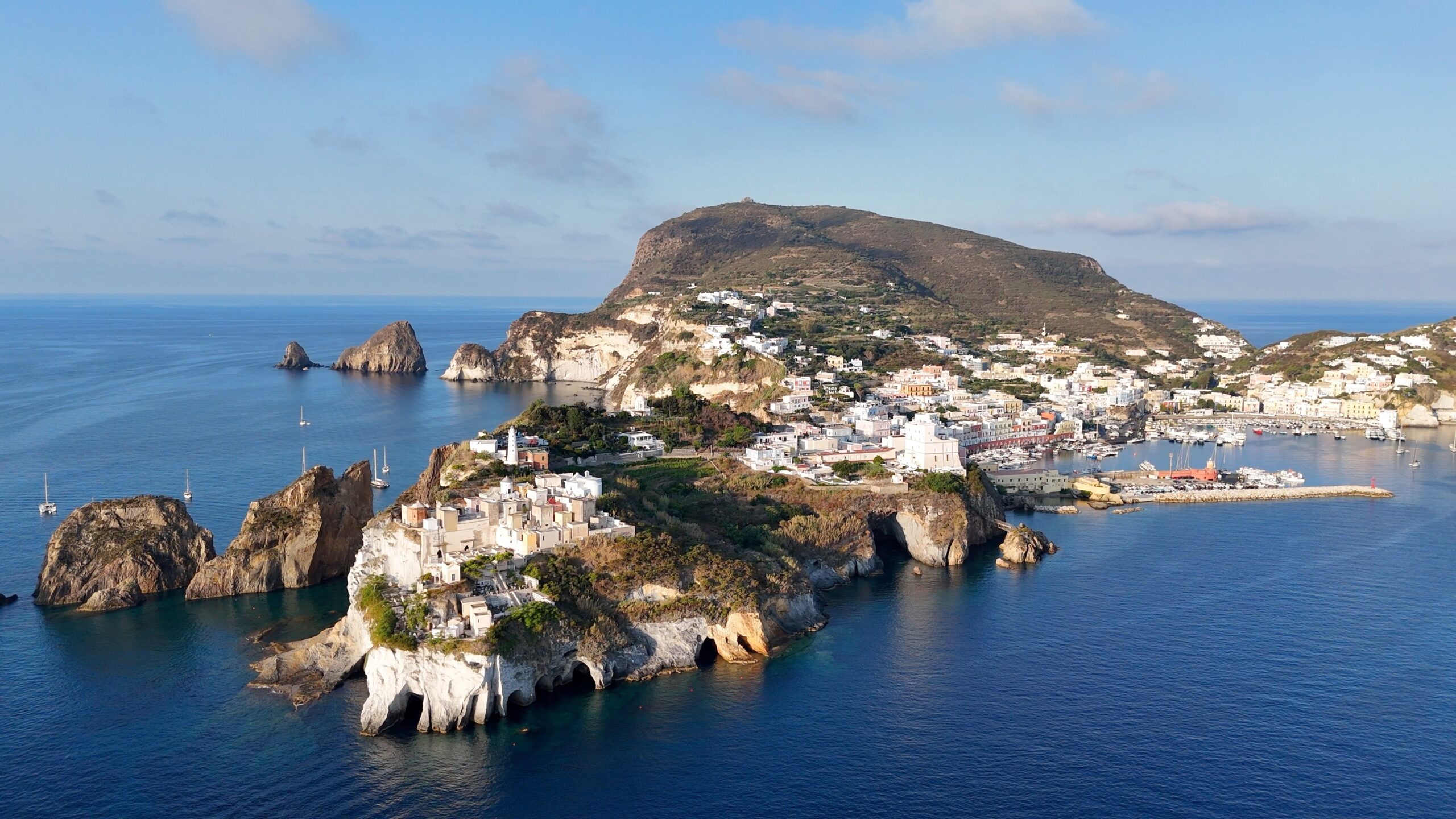
Today’s passage marks a clear transition. Ponza rises sharply from the sea, its cliffs shaped by ancient volcanic eruptions and erosion rather than cultivation. The island feels rawer and less polished than the Amalfi Coast, which is precisely its appeal.
Historically, Ponza served many roles: Roman retreat, prison island, fishing hub. Emperor Augustus built villas here, and remnants of Roman cisterns still exist, carved directly into the rock to collect rainwater — a necessity on an island with no natural springs.
Anchor near the Chiaia di Luna or along the western coves, where the rock formations catch the light late in the day. The water clarity is excellent, and the lack of large development keeps the atmosphere restrained.
Dinner aboard is recommended. Ponza’s charm is in its geography and silence, not in movement.
Day 5 - Ponza to Palmarola
7 NM
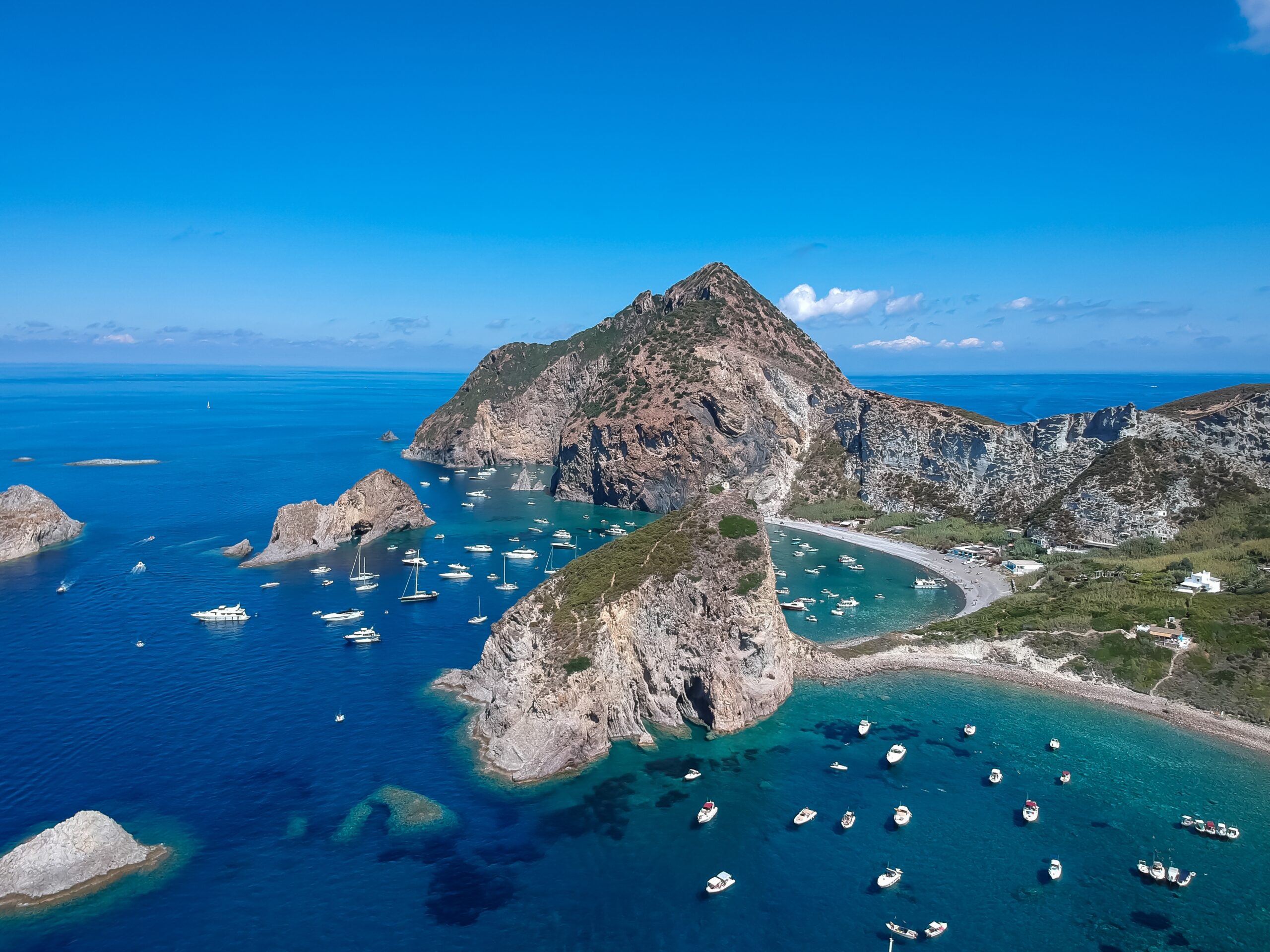
A short morning run brings you to Palmarola, often considered the most visually striking island in the Pontine group. It is uninhabited for most of the year and protected, which preserves its sense of isolation.
Palmarola’s cliffs rise abruptly, layered with caves and arches carved by wind and water. There are no roads, no towns, and very little infrastructure. Historically, fishermen used the caves as seasonal shelters, and some of these stone dwellings remain visible above the waterline.
The day is intentionally unstructured. Swim, float, read, and move only if the light changes. This is a place where doing less improves the experience.
Conditions permitting, remain overnight at anchor. Evenings here are quiet in a way that feels increasingly rare along the Italian coast.
Day 6 - Palmarola to Naples
25 NM
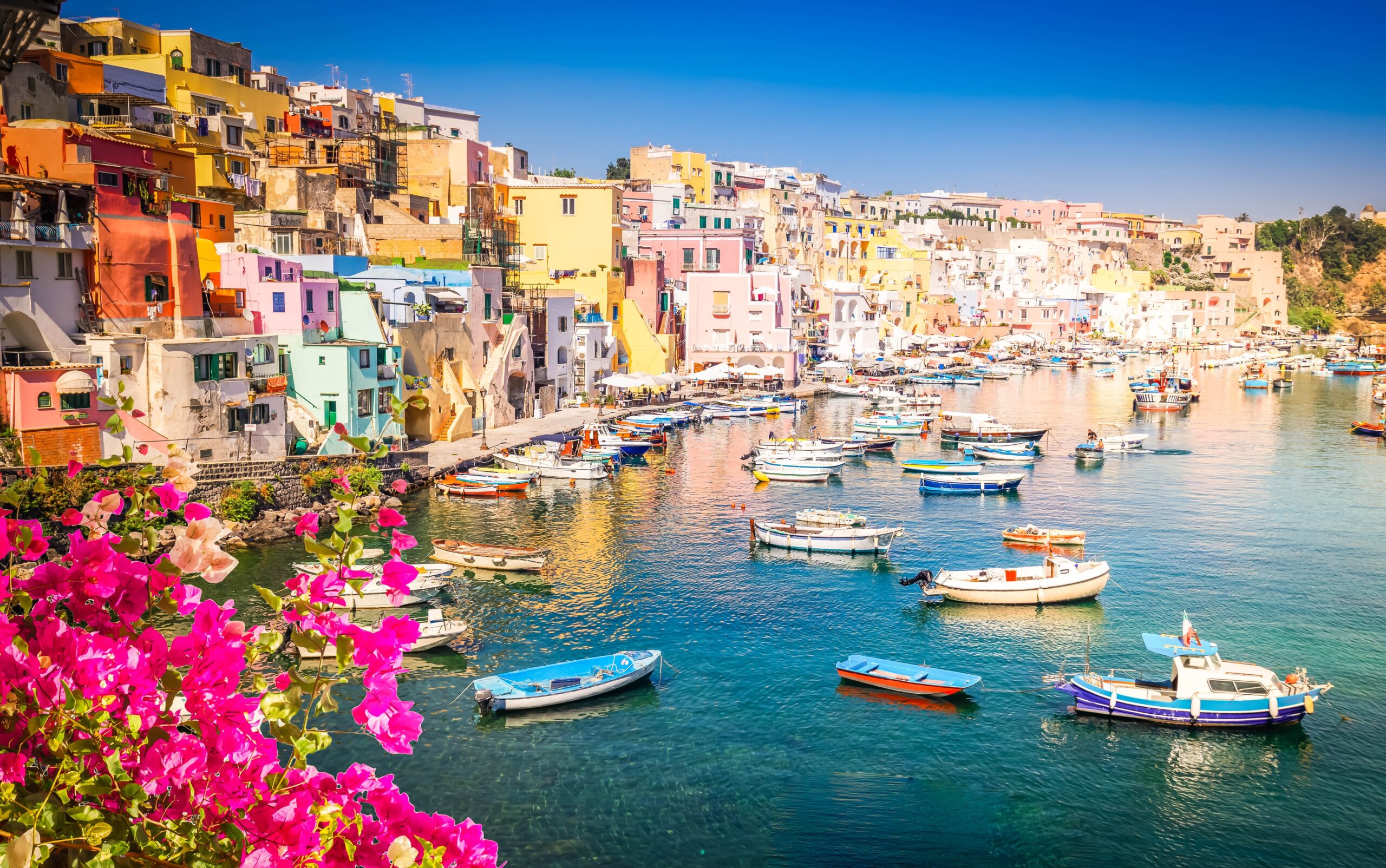
Depart Palmarola early and begin the return east. Depending on timing and preference, pause at Procida for lunch or a final walk ashore. Procida is the smallest of the Bay of Naples islands and has avoided large-scale tourism, which gives it an authenticity locals quietly value.
Its pastel harbor houses were designed to be identifiable from the sea, helping fishermen return home in low visibility — a functional detail that became an aesthetic signature.
Continue on to Naples or Salerno for disembarkation. The final leg is kept practical, allowing the voyage to conclude without pressure.
Ready to Embark on Your Next Adventure?
Contact UsContact Us
Get in touch for more information.