YACHT CHARTER ITINERARY
Sail to the Balearic Islands
A calm circuit through the Balearics, where distances are short, the water stays clear, and each island carries its own rhythm.
About This Itinerary
6 Days in Balearic
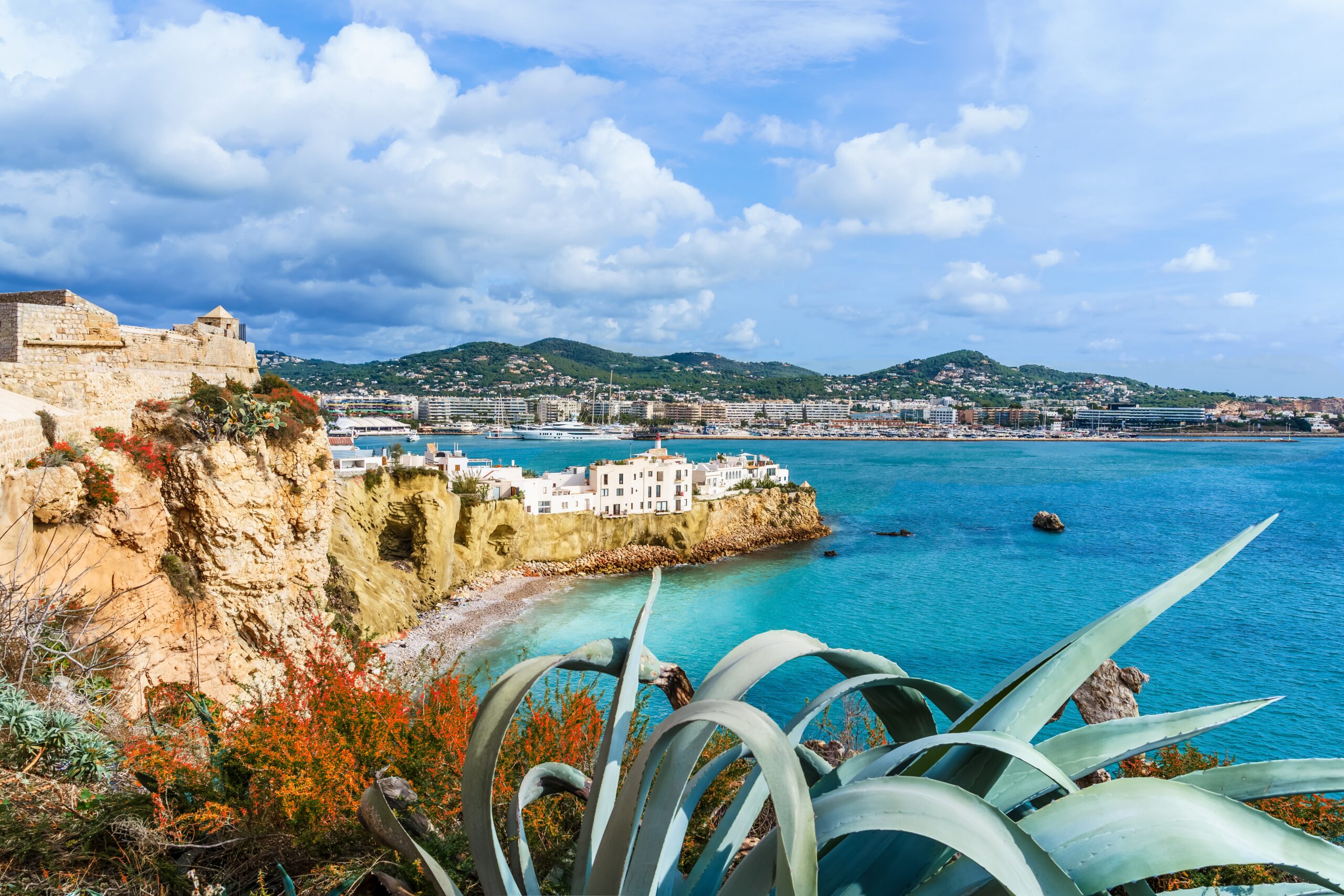
This six-day circuit through the Balearic Islands is designed around short passages, protected anchorages, and a gradual shift in landscape and atmosphere. Beginning in Ibiza’s quieter southern bays and moving through Formentera’s clear shallows, the route introduces the Balearics as a place of measured distance and distinct island character rather than spectacle. The itinerary balances time at anchor with purposeful crossings. Formentera and Cabrera emphasize water clarity, ecological preservation, and silence, while Mallorca’s western coast brings elevation, history, and working harbors shaped by trade and terrain. Each stop reflects a different relationship between land and sea, from low-lying sandbanks to steep, mountainous shorelines. Movement remains deliberate throughout. Afternoons are left open for swimming, reading, and rest; evenings are defined by light, shelter, and quiet surroundings. By the time the yacht reaches Palma, the journey has unfolded as a composed maritime passage—one that prioritizes rhythm, space, and continuity over pace or excess.
Itinerary Summary
Ibiza to Palma
-
Day 1: Ibiza to Cala Jondal
→
-
Day 2: Cala Jondal to Formentera
→
-
Day 3: Formentera to Cabrera National Park
→
-
Day 4: Cabrera to Sóller (Mallorca)
→
-
Day 5: Sóller to Port d’Andratx
→
-
Day 6: Port d’Andratx to Palma
Day 1 - Ibiza to Cala Jondal
7 NM
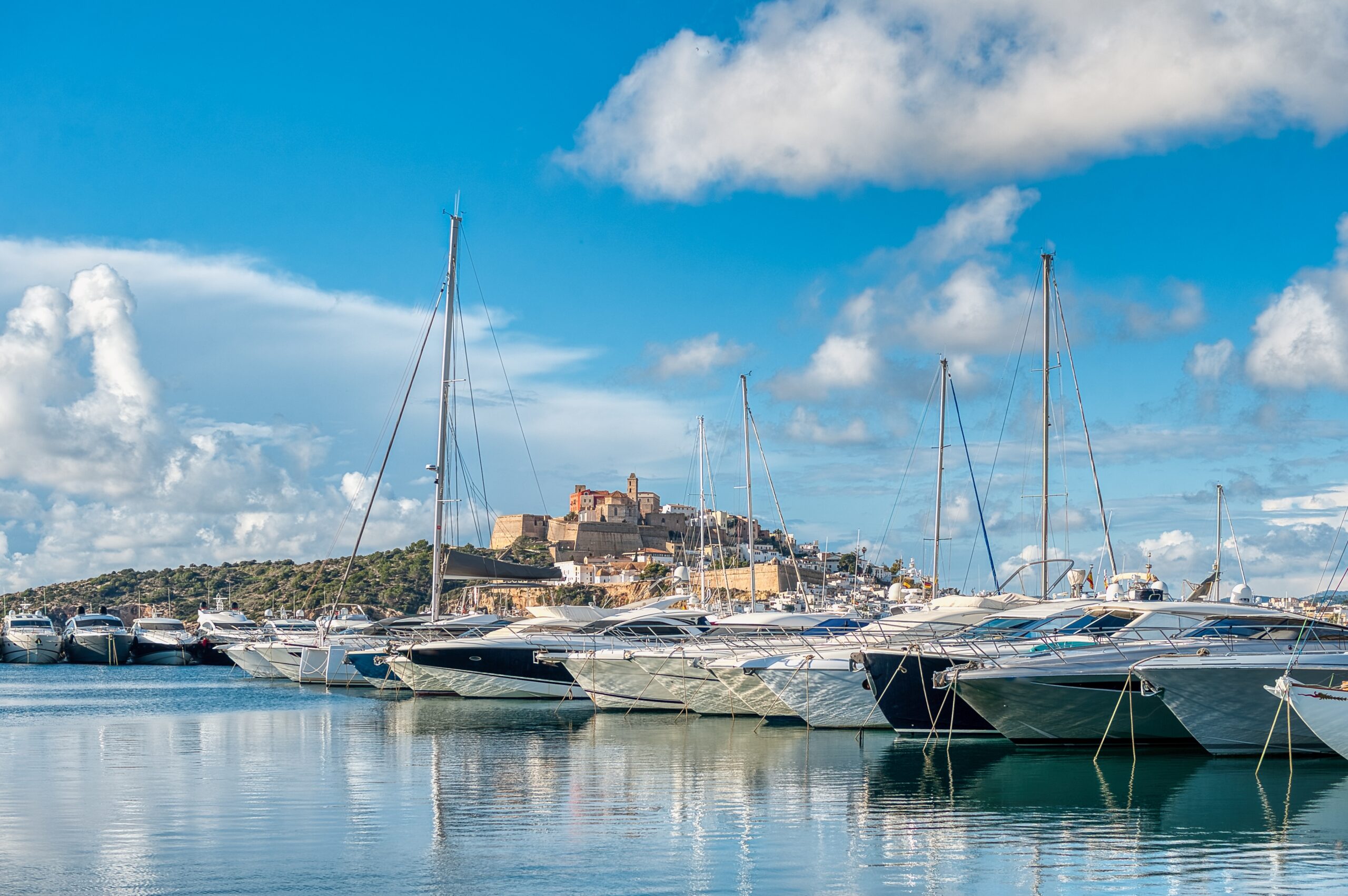
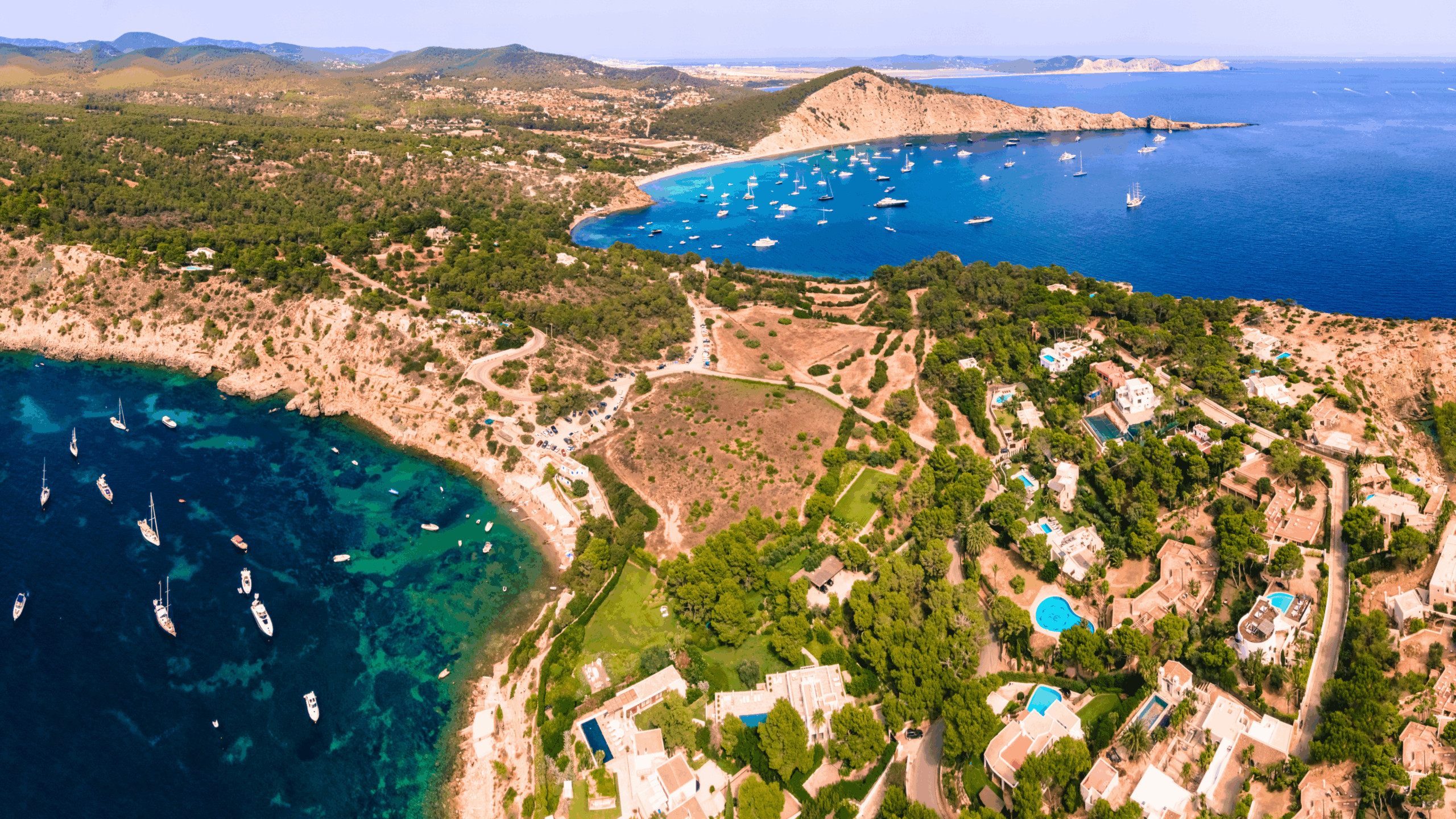
Begin just south of Ibiza town and keep the first day deliberately contained. Cala Jondal sits within a wide, well-protected bay, backed by low hills that shield it from prevailing winds. Historically, this stretch of coast was utilised by fishermen and small agricultural communities; the bay’s shape made it a reliable resource long before it became desirable.
The shoreline here is pebble rather than sand, which contributes to the clarity of the water. Swimming feels immediate and refreshing, with visibility often extending several meters below the surface. This is a good place to settle into the yacht’s rhythm: swim, rinse, and let the day slow naturally.
Ibiza’s reputation for energy exists, but it is largely time- and location-dependent. Anchoring here emphasises the island’s quieter side — warm light, measured movement, and a long evening ahead. Dinner aboard works well, allowing the coastline to soften as the sun drops behind the hills.
Day 2 - Cala Jondal to Formentera
12 NM
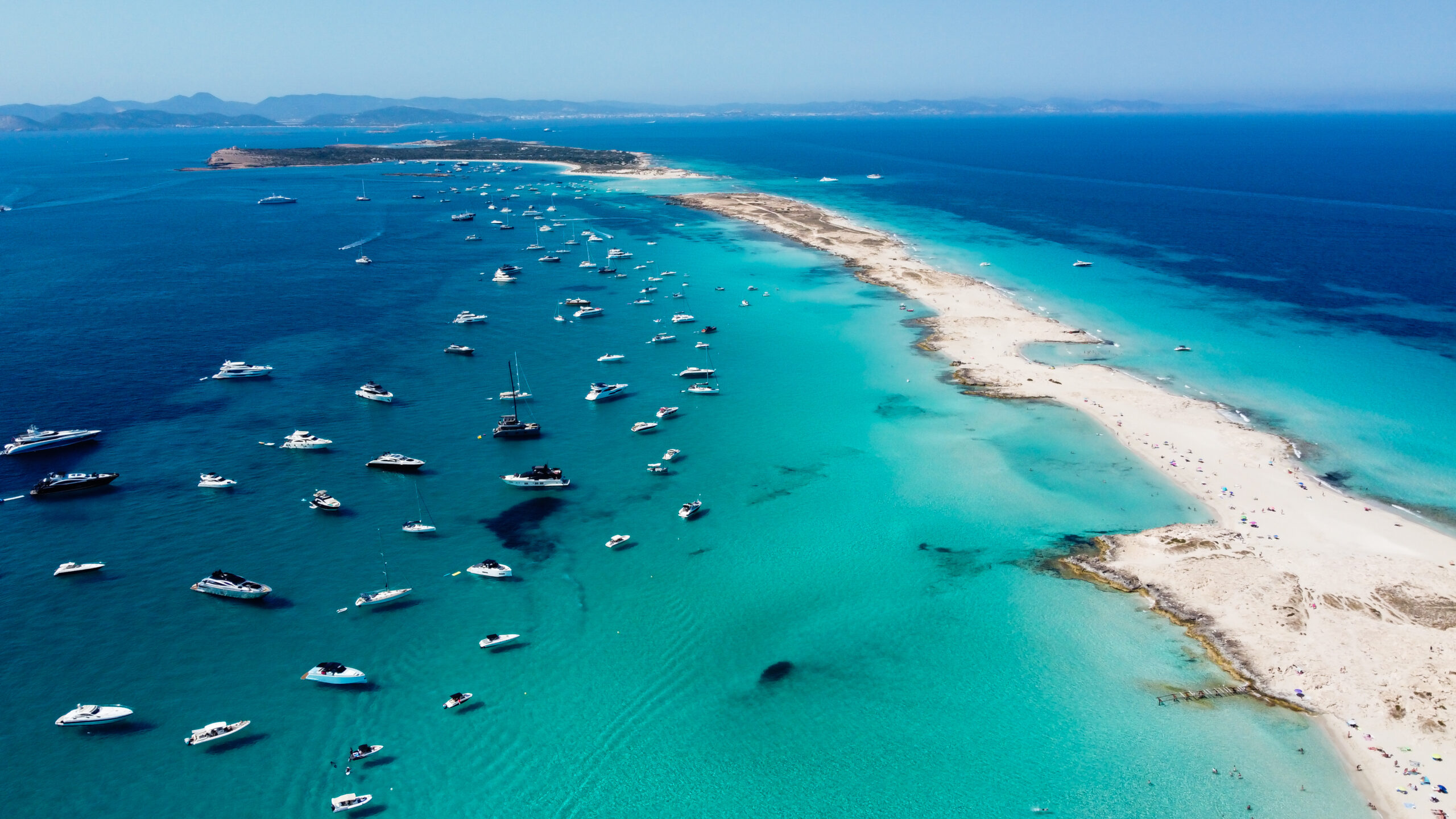
Cross south toward Formentera, a low-lying island shaped by wind and sea rather than elevation. Unlike Ibiza, Formentera has no airport, which has historically limited development and preserved its open, understated character.
The island’s seabed is covered in Posidonia oceanica, a protected seagrass found only in the Mediterranean. This natural filtration system is the reason the water here appears unusually clear and turquoise. Anchoring near Ses Illetes or Espalmador offers shallow sandbanks and easy swimming straight from the stern.
Formentera has long attracted artists and writers seeking simplicity. The pace reflects that heritage — no urgency, no need to move quickly. Lunch can be taken aboard or ashore, but the afternoon is best left open for swimming and drifting.
Remain anchored overnight if conditions allow.
Day 3 - Formentera to Cabrera National Park
30 NM
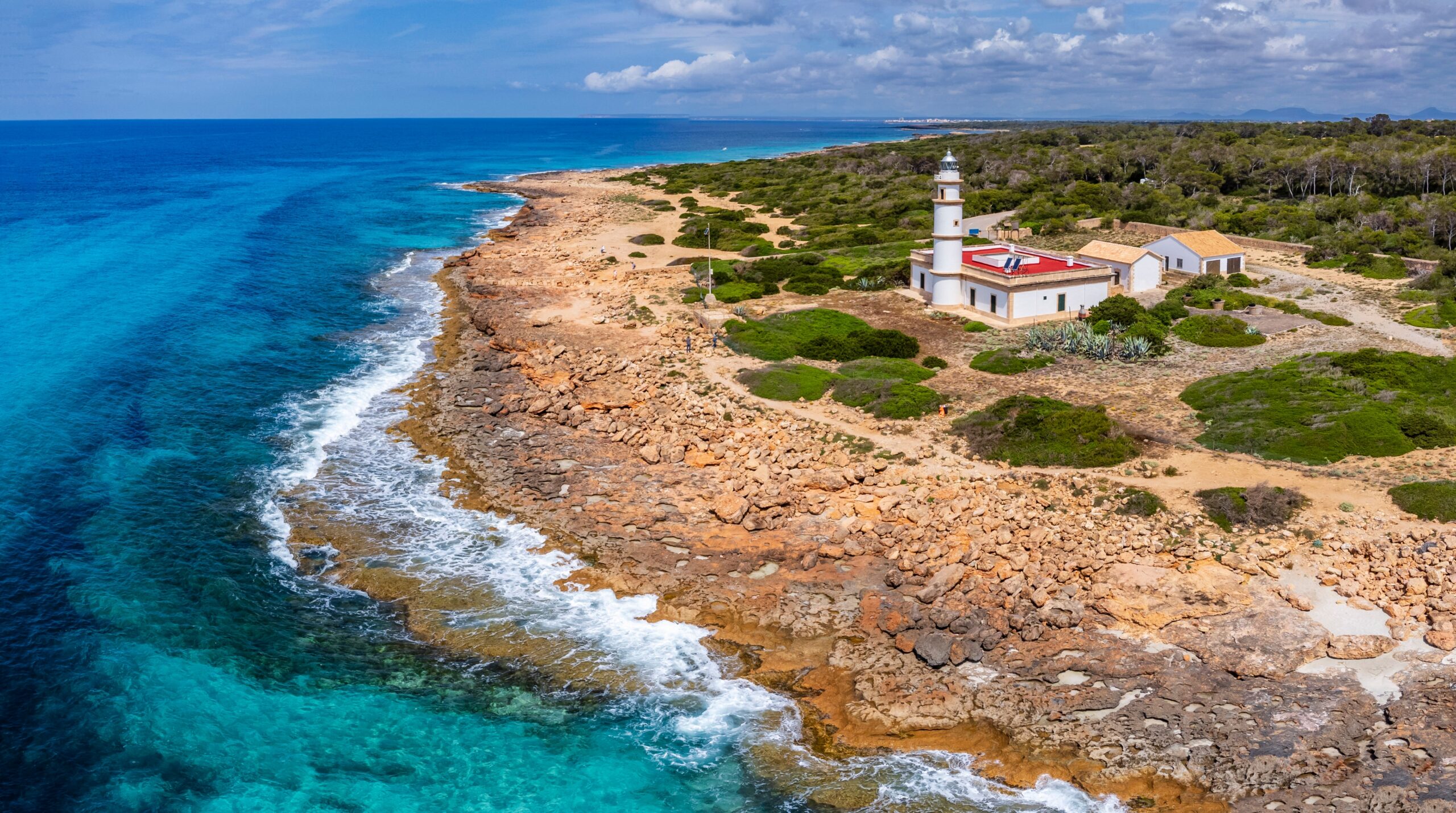
Today’s passage introduces a different tone. Cabrera is a protected national park, once used as a military base and later as a prison camp during the Napoleonic wars. Its isolation preserved both its landscape and marine environment.
Entry is regulated, which limits congestion and maintains water quality. The island group is volcanic, with dark rock formations and deep coves that contrast sharply with Formentera’s pale sand.
Once anchored, movement is intentionally limited. Swimming and snorkelling reveal healthy fish populations that tend to stay close to rocky structure. The silence here is noticeable — no beach clubs, no background noise, only wind and water.
Anchoring overnight is permitted in designated zones, and evenings are quiet by design. Cabrera is less about activity and more about space.
Day 4 - Cabrera to Sóller (Mallorca)
30 NM
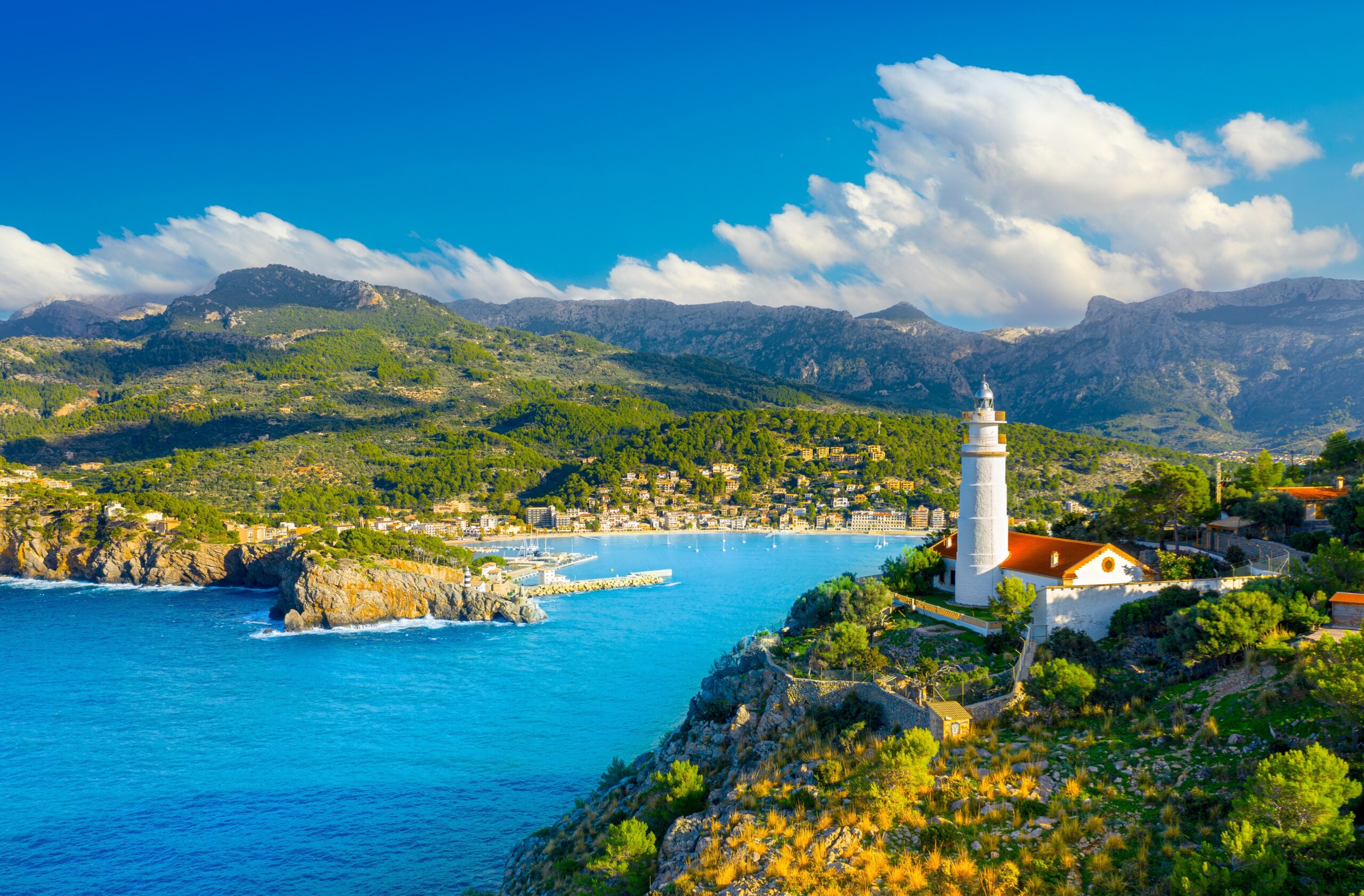
Cruise north toward Mallorca’s western coast, where the Serra de Tramuntana mountains rise sharply from the sea. Sóller sits within a deep natural harbour, historically used to export citrus and olive oil to mainland Spain and France.
The geography here creates protection from easterly winds, making it a reliable anchorage. The water deepens quickly, and the surrounding slopes are densely green, fed by mountain runoff.
A walk ashore offers contrast after days at anchor. Sóller’s town is known for its restrained architecture and long-standing connection to the sea. The atmosphere remains composed even in high season.
Evening light in the harbour is particularly soft, reflecting off the surrounding hills. Dinner aboard allows the day to conclude without interruption.
Day 5 - Sóller to Port d’Andratx
25 NM
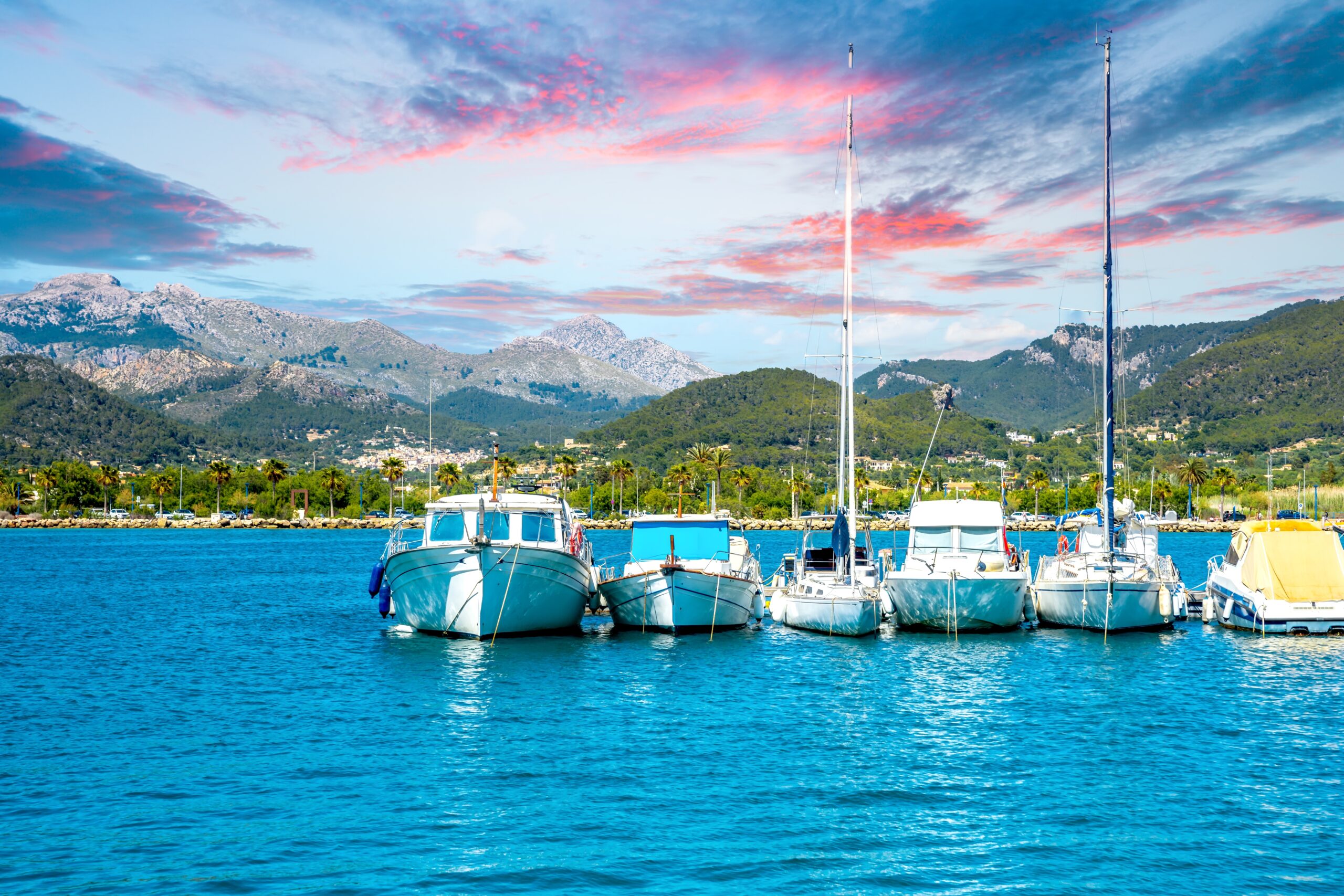
Round the northwest corner of Mallorca and head south toward Port d’Andratx. This harbor was once a working fishing port and still retains a practical layout, despite its polished appearance.
The surrounding coves offer clear water and good holding, ideal for a midday swim before entering the harbour. Andratx is known locally for its balance — refined but not overstated, social without being overwhelming.
This is a comfortable place to pause before the end of the journey. The town is compact, and the coastline remains the primary focus.
Day 6 - Port d’Andratx to Palma
15 NM
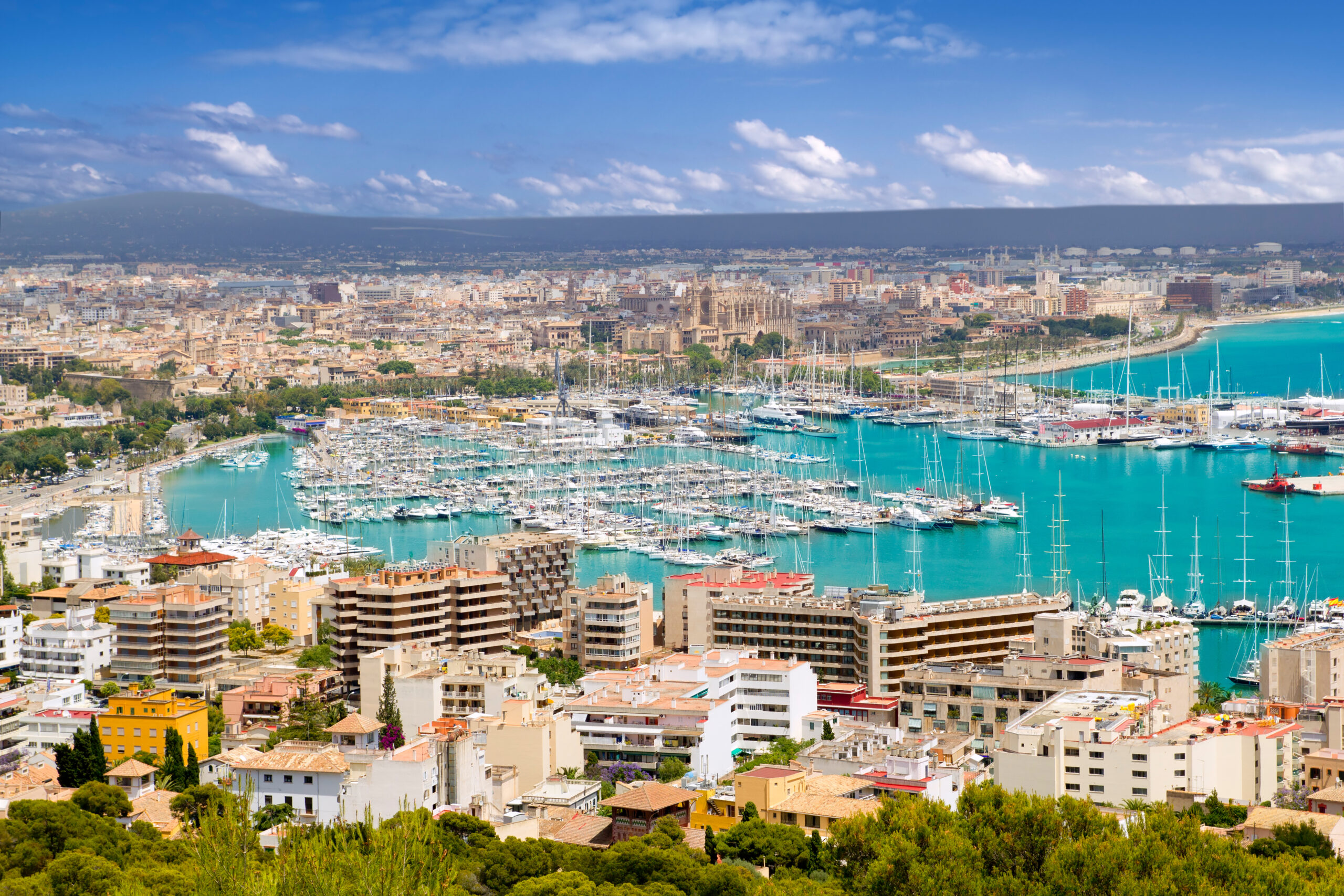
The final leg is intentionally short. Cruise east toward Palma with time for a last swim stop en route. Palma’s harbour is expansive and well-organised, shaped by centuries of maritime trade.
Arriving early keeps the experience calm and practical. Disembarkation feels unhurried, closing the itinerary with the same measured pace it began.
Ready to Embark on Your Next Adventure?
Contact UsContact Us
Get in touch for more information.